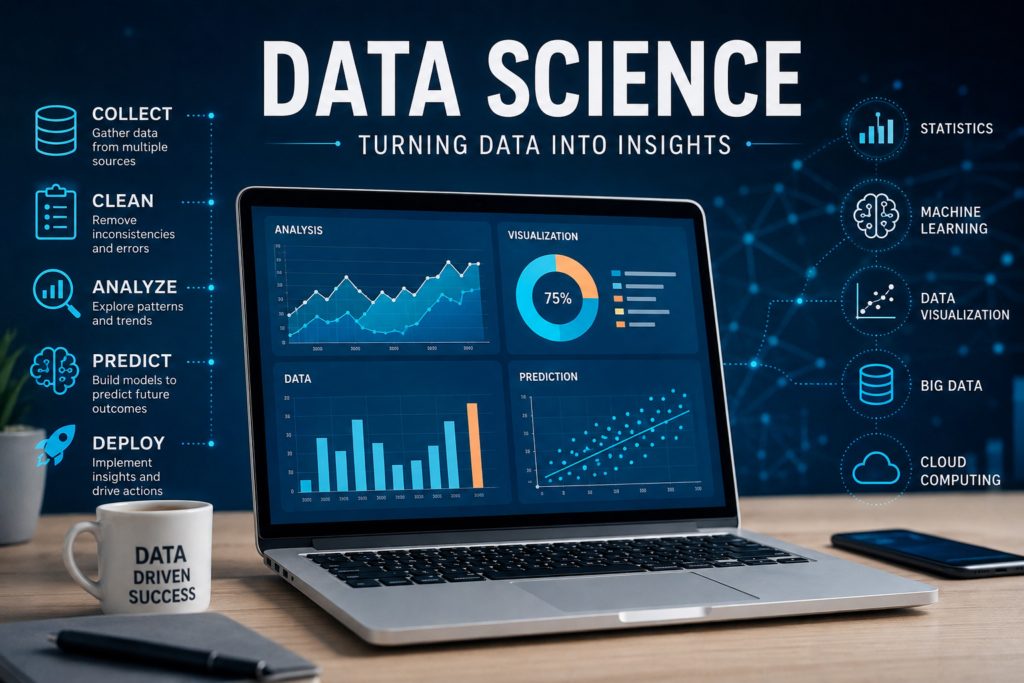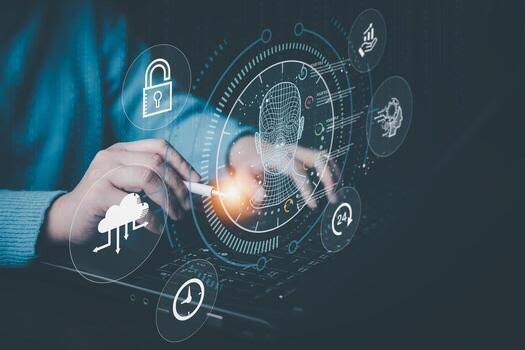
Technology has become an essential part of modern life. From smartphones and computers to Artificial Intelligence, cloud computing, and the Internet of Things, technology is changing the way people communicate, learn, work, travel, and conduct business.
Technology refers to the practical use of scientific knowledge, tools, machines, and systems to solve problems and make human activities easier and more efficient. Today, technological development is happening rapidly, creating new opportunities as well as new challenges.The Role of Technology in Daily LifeTechnology is present in almost every area of our daily lives. Smartphones allow people to communicate instantly through calls, messages, and video conferencing. Online banking makes financial transactions faster and more convenient. E-commerce platforms allow customers to purchase products from anywhere.Education has also changed significantly because of technology. Students can attend online classes, access digital books, watch educational videos, and use interactive learning platforms. Teachers can use digital tools to prepare presentations, conduct assessments, and communicate with students.Important Modern Technologies1. Artificial IntelligenceArtificial Intelligence (AI) enables computers to perform tasks that normally require human intelligence. AI can understand language, recognize images, analyze information, and support decision-making.AI is being used in chatbots, recommendation systems, healthcare, education, cybersecurity, and autonomous systems. Generative AI can also create text, images, software code, and other forms of content.2. Cloud ComputingCloud computing provides computing resources such as storage, servers, databases, and software through the Internet. Instead of storing everything on a personal computer, users can access their data and applications from cloud platforms.Cloud computing is widely used by businesses because it can provide flexibility, scalability, and access to computing resources without requiring organizations to maintain all infrastructure themselves.3. Internet of ThingsThe Internet of Things (IoT) connects physical devices to the Internet so that they can collect and exchange data. Examples include smart watches, smart home devices, connected vehicles, and industrial sensors.IoT can help organizations monitor equipment, improve efficiency, and collect real-time information.4. CybersecurityAs technology becomes more connected, protecting digital information becomes increasingly important. Cybersecurity involves protecting computers, networks, applications, and data from unauthorized access, attacks, and other threats.Strong passwords, multi-factor authentication, software updates, encryption, and security awareness are important parts of cybersecurity.5. 5G and Modern CommunicationModern communication networks provide faster connectivity and support a large number of connected devices. 5G technology can provide high-speed communication and lower latency for many applications, including smart cities, connected vehicles, industrial automation, and advanced mobile services.Technology in BusinessTechnology has transformed the business environment. Organizations use computers and software for accounting, communication, customer management, marketing, data analysis, and decision-making.Digital marketing allows businesses to reach customers through websites, search engines, social media, and online advertising. Data analytics helps organizations understand customer behavior and identify business trends.Automation can also reduce repetitive manual work. For example, software systems can automatically generate reports, process information, and manage routine workflows.Technology in HealthcareTechnology is playing an important role in healthcare. Electronic health records help healthcare organizations manage patient information digitally. Medical imaging technologies assist doctors in examining the human body.Artificial Intelligence and data analytics are also being researched and used to support medical diagnosis, drug discovery, medical research, and hospital management. Technology can improve efficiency, but healthcare applications require careful testing, privacy protection, and professional oversight.Advantages of TechnologyTechnology provides many benefits:Faster communicationEasy access to informationImproved productivityOnline education and learningBetter business efficiencyImproved transportationAutomation of repetitive tasksNew career and business opportunitiesTechnology can save time and help people solve problems more effectively.Challenges of TechnologyTechnology also creates challenges. Excessive use of digital devices can affect productivity and personal well-being. Cyberattacks can threaten sensitive information. Privacy can become a concern when large amounts of personal data are collected and processed.Automation and Artificial Intelligence may also change job roles, making continuous learning and skill development increasingly important. Therefore, technological development should be accompanied by responsible use, cybersecurity, privacy protection, and digital literacy.The Future of TechnologyThe future of technology is likely to involve greater integration of AI, robotics, cloud computing, IoT, advanced communication networks, and data analytics. Smart homes, intelligent transportation, automated industries, and AI-powered applications may become increasingly common.The most important factor will be how humans use these technologies. Responsible innovation should focus on improving people's lives while maintaining security, privacy, fairness, and human control.ConclusionTechnology has transformed almost every part of modern society. It has made communication faster, education more accessible, businesses more efficient, and information easier to obtain. Technologies such as Artificial Intelligence, cloud computing, IoT, cybersecurity, and advanced communication networks are creating new possibilities.